

Wed Jul 09 2025
What Happens When You Make a Late Credit Card Payment?
A late credit card payment can cause frustration and bring consequences. Let’s explore the potential fees, interest rate increases, and other effects of being late.

FDIC-Insured - Backed by the full faith and credit of the U.S. Government
Author: Heather Vale
June 25, 2026
Paying late or missing a credit card payment could damage your credit score. Find out how you can help minimize the impact.

Feeling like you can’t pay your bills is stressful, and realizing you missed making a payment can be heart-stopping. The repercussions and aftereffects are often serious, because payment history carries a lot of weight in credit score calculation. But knowing how to deal with the situation, and following a proven plan, can get you through it.
Missing a credit card payment, whether it’s because of your financial circumstances or simply because you forgot to make it, can set up a snowball effect. However, we need to clarify that a missed payment isn’t the same as a late payment in the language of the credit card industry.
If you forget to make a payment on time, you’ve got a late payment. It’s not yet officially a missed payment, even though you missed the due date. At this stage, you might be subject to late fees and penalties. Then you’ll likely accumulate interest charges since you’re carrying a balance into the next month. However, you can follow up with a payment anytime during that month to avoid having it logged as “missed” on your credit report.
If you don’t pay for a full billing cycle — typically 30 days — then you’ve officially got a missed payment. It’s called that because you completely missed making any payment (or at least the minimum payment) for that billing cycle. That’s when the creditor is likely to report it to the credit bureaus, which could adversely affect your credit score.
The size of the impact depends on several things, including the scoring model and what your credit score was to begin with — but a drop of 30 to 80 points or more would not be unusual.
Even though it might seem like it in the moment, a late payment isn’t the end of the world. And even if you totally missed your payment cycle, you could still take some steps to help minimize any damage caused by being past due.
Being stressed out because you’re struggling to pay your credit card is natural — but it’s probably not going to help things. Try to stay calm, take a deep breath, and accept your situation. Then you can start doing something about it. And you’ll be much more effective if you’re calm, cool, and collected.
If you can’t make your credit card payment, things aren’t adding up financially. It’s usually due to either spending too much or not earning enough. And you’ll probably have to make some adjustments either way.
It can be difficult to formulate a plan without making a budget, so write down exactly what you’re earning and what you’re spending — including which expenses are wants, and which are needs. Then figure out what you can cut back on — or how you might bring in more income — so you can get current on your credit card account.
What you tell your credit card issuer and how you say it can both play a role in convincing them to work with you. So take a few moments to rehearse what you’re going to say without getting angry or upset.
Jotting down the topics you want to discuss can help.
What happened: Describe your circumstances, including why you’re unable to make your payment. If you lost your job or are going through a divorce, share that. Keep it brief and don’t overwhelm the representative with details, but paint a clear picture of what’s preventing you from making your payments.
How you can fix it: Reveal your plans for overcoming your situation, such as looking for employment, selling items to raise money, or borrowing from family members. Creditors may be more willing to work with you if they know you’re in the process of turning things around.
What you can pay: Offer to make a payment you can afford, even if it’s less than the minimum due. This makes it clear that you haven’t turned your back on your debt. And, from the credit card company’s perspective, it’s usually better to get some money than nothing.
How long it will take: Explain how long you expect your situation to last, and when you might be able to resume making regular payments of at least the minimum amount due. Be realistic and don’t paint an overly optimistic picture, but don’t underwhelm them, either.
What should happen next: What are you hoping to achieve with your phone call? Are you looking for one suspended payment, a temporary payment schedule, or the removal of late fees? This call is a negotiation, so be specific about what you’re hoping to accomplish. You may not get what you want, but your chances are better if you clearly articulate it.
Once you’ve mapped out your intentions, it’s time to make the call. If you’re already behind on your payments, explain your situation. And if you know you can’t make an upcoming payment, be proactive and call before the payment due date comes and goes.
Credit card companies are in the business of making money, and that doesn’t happen if they ignore debts owed by cardholders. By reaching out, you’re demonstrating good faith and a willingness to work with them, which could buy you time or persuade them not to report your account as past due.
Of course, your results depend on your situation, the creditor’s policies, and even the representative’s mood. But ultimately, a credit card company doesn’t want to charge off your account and sell it to a collections agency. They would usually rather help you get current so you can remain a paying cardmember.
A plan is only as successful as its execution. So, if you made arrangements with your credit card company, keep them. Pay what you promised, when you promised, how you promised. Their willingness to continue working with you — and offering some form of relief — will most likely depend on you living up to your end of the agreement.
Unless your credit card company agrees to waive late fees or interest, you’re likely going to be charged both. If you have a rewards credit card, you may lose any accumulated rewards. And if you’ve missed the payment by more than 30 days, your credit card issuer will likely report your account’s past due status — which means your credit score will probably take a hit.
These are simply the realities of missing payments. If your card issuer is willing to waive interest and fees, let you keep any accumulated rewards, or refrain from reporting your account as past due, consider yourself very lucky. But consequences are quite probable, and being prepared could help them sting a bit less.
Any payment over 30 days past due will likely be reported to the major credit bureaus. You should expect this to adversely affect your credit score, and a single delinquency can stay in your credit reports for up to seven years.
But with a little diligence, you can help your credit rebound. Going forward, make at least the minimum payment for that account (and all other accounts) on time, every time, because payment history is the most important factor in determining your credit score.
Keeping your credit utilization ratio at a healthy level could also help improve your credit score. It might seem unrealistically low, but experts recommend using only 30% or less of your credit limits.
If you didn’t pay your bill on time and ended up making a late payment, you don’t need to beat yourself up over it. You can simply take the loss, pay the late fee, and move on with the promise to yourself that it won’t happen again.
But if you’re getting close to the 30-day mark and still haven’t been able to make a payment, it’s a good idea to be proactive and communicate with your credit card issuer.
Tell them why you haven’t paid yet and when they can expect the payment. If you’re unable to make payment before the next billing cycle, you can request an alternate payment plan. That agreement may buy you a window where they don’t report payments missed on the old scheduled due dates — but ask them to verify that before you hang up.
Going forward, you don’t want this to happen again. So you can use a few tricks to prevent late payments in the future.
Create a budget: Every expert says it, and many people avoid it, but it’s important to figure out what you have coming in and going out. Then you can decide which expenses are crucial and which ones you can cut out.
Cut unnecessary expenses: Avoiding that excess spending can help free up funds for paying off debt. That might include canceling a few subscriptions that you don’t use, eating at home instead of dining out, and buying store brands to save money.
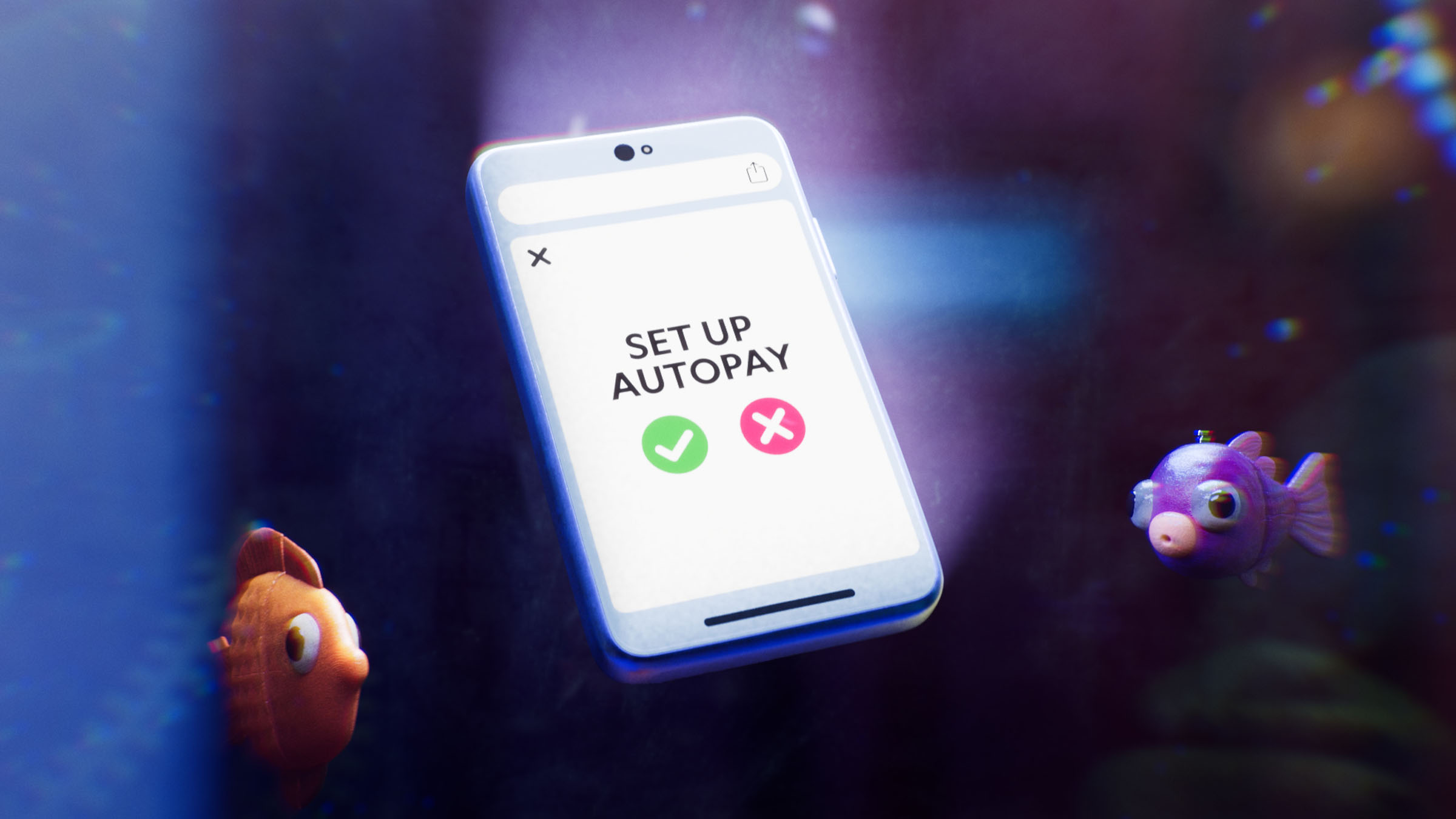
Set up AutoPay: We’re all dealing with multiple bills, due at different times of the month, so it’s hard to tackle the whole thing manually. Consider setting up automatic payments (like AutoPay or your bank’s bill pay service) to take these tasks off your plate. You often have a choice whether just the minimum payment or the full balance gets withdrawn from your bank or debit card on a specified date.
Pro tip: Paying at least your minimum automatically should help avoid late fees, and you can usually choose to make another payment manually on top of that.
Use reminders: If you’d rather control when and how much gets pulled from your bank account, create due-date reminders in your calendar — preferably a digital program on your phone or computer, but a paper calendar or planner can work as well.
Prioritize payments: If you can’t pay every single bill one month, pay the most important first. Your mortgage or rent, car payments, loans and credit cards will have the biggest impact if you miss a payment, whether by affecting your credit score or causing repossession or eviction. Utility bills are important to avoid having your essential services cut off, but sometimes you can get payment help when you need it. Subscriptions and entertainment are probably dispensable.
If you still have questions around late and missed payments, that’s perfectly normal. These answers to common queries are a great starting point for further exploration.
Most creditors don’t report a late payment until a full billing cycle is missed, which is typically 30 days.
Yes, one missed payment — meaning a full missed billing cycle — will most likely impact your credit score. However, the degree of impact depends on what your starting score was and how many other negative dings you have. Paying late one time will most likely not affect your credit score, but you will usually be charged a late fee for not making the deadline.
If you didn’t make a payment on time, pay it right away. You will probably be charged a late fee, but if you catch it before a month has passed, you may not face any damage to your credit score. If you realize you’ve completely missed a payment and it’s into the next billing cycle, you should still pay. But also call your creditor to explain the situation and ask for a payment plan if you need one.
Making payments on time is easier when you remind yourself of upcoming due dates or take care of them automatically. Methods to do that include making notes on a paper calendar, adding entries with alarms to a digital calendar, setting up due date notifications through your credit card’s mobile app, or using automatic payments.
The last option includes bill pay services through your bank and AutoPay through your credit card account. A good strategy is setting AutoPay for the minimum due so you’re making your on-time payments, and manually paying more to lower your debt when possible.
Missing a minimum payment is exactly what a missed payment is. So the consequences are the same as any other missed payment. If you don’t pay at least your minimum amount due by the due date, you have a late payment and will likely have to pay a late fee. If you don’t pay at least the minimum amount due for a full billing cycle, you have a missed payment and can also expect the delinquency to be reported to the credit bureaus.
A missed payment can stay on your credit report for up to seven years.
Nobody likes being behind in anything. But remember, falling behind doesn’t have to mean staying behind. Formulating and executing a plan lets you minimize, and eventually overcome, the effects of a missed credit card payment.
If you’d like a credit card that offers AutoPay options and lets you set your own due date, see if you pre-qualify for one from Credit One Bank.

About the author:
Heather ValeHeather is an accomplished writer and editor in the financial and business industries, with expertise in credit building, investments, cryptocurrency, entrepreneurship, and thought leadership. She loves investigating and pulling apart complicated topics to make them simple, engaging, and easy to understand. But she also enjoys writing about the personal side of life, including self-help, creativity, relationships, families, and pets. She approaches everything from a yin-yang perspective, so her passion for wordplay and metaphors is always balanced with an intense focus on accuracy. Heather has a BFA in Visual Arts from York University, and has worked as a journalist in all media: TV, radio, print, and online.
This material is for informational purposes only and is not intended to replace the advice of a qualified tax advisor, attorney or financial advisor. Readers should consult with their own tax advisor, attorney or financial advisor with regard to their personal situations.
Wed Jul 09 2025
A late credit card payment can cause frustration and bring consequences. Let’s explore the potential fees, interest rate increases, and other effects of being late.

Tue Jul 14 2026
One late payment can lead to a surprisingly big impact, but you can take steps like using AutoPay to set yourself up for success.
Wed Feb 05 2020
There are plenty of articles out there touting why you should pay more than the minimum amount due on your credit card statement each month. And, yes, if you’re trying to pay off a